
New driveway construction
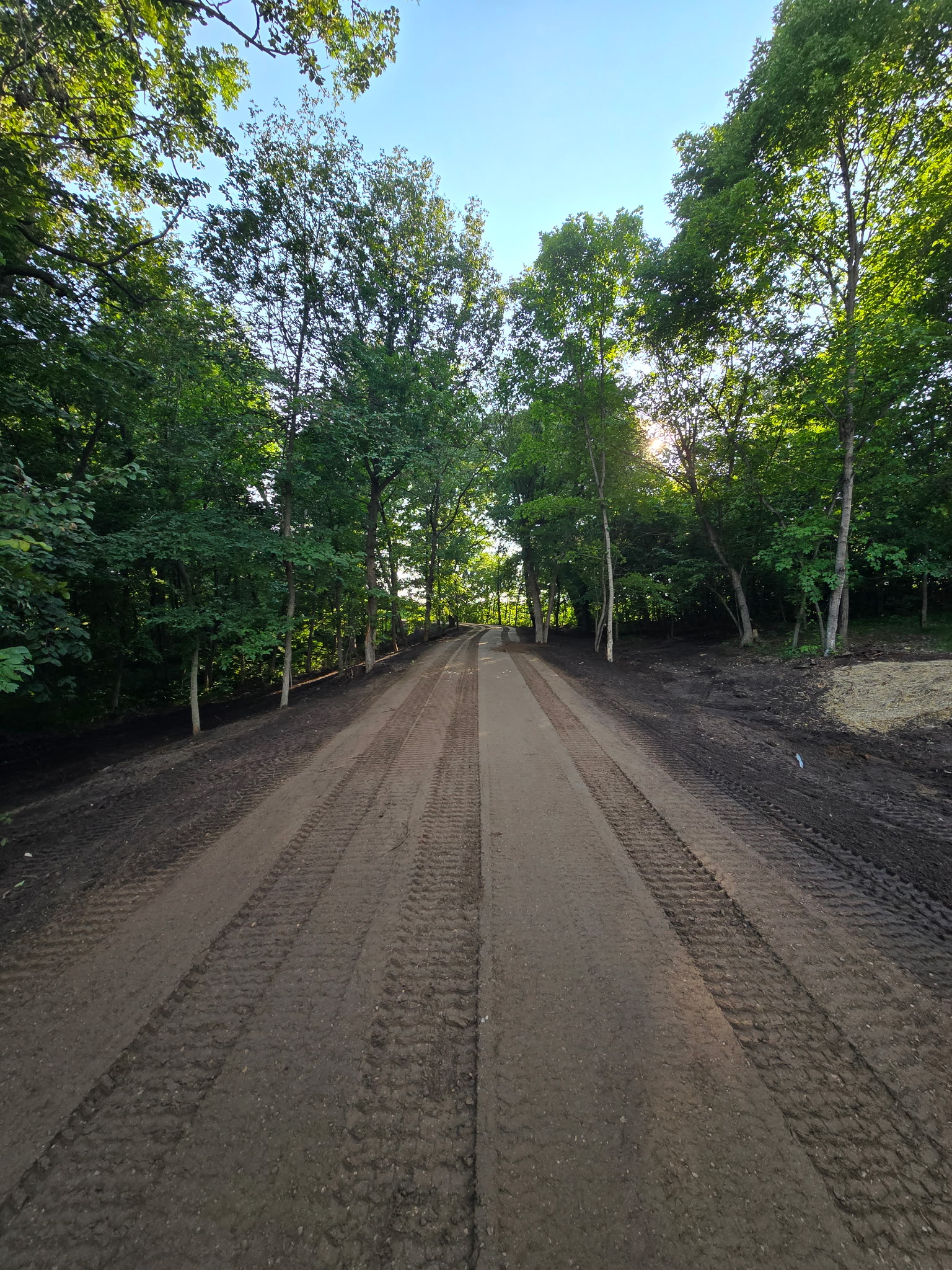
Clearing, excavation, base, and surfacing for a new home, cabin, shop, or lot, sized for the vehicles that will actually use it.
New Builds & Repairs
New gravel driveways and repairs for potholes, washboard, ruts, and washouts, with local driveway work, material supply, and hauling.
Plan Your Driveway Project
Building a new driveway or fixing a worn one? Share the project location and what you need. We will call to discuss the work, site access, and the next step toward a quote.
Approximate length and width, trouble spots, and your preferred timing are helpful if you know them.
218-556-5898Mon-Fri 7a-5p · Saturdays by appointment
Form not loading? Open the quote form in a new tab or call 218-556-5898.
What this service covers
A driveway in lake and timber country has to hold up to frost, spring thaw, loaded trucks, and a winter of plowing. Storlie Construction builds new driveways from raw ground and repairs the ones that are breaking down. Discuss the clearing, excavation, material, and hauling needs together when planning the work.
Clearing, excavation, base, and surfacing for a new home, cabin, shop, or lot, sized for the vehicles that will actually use it.
Potholes, washboard, ruts, and washouts fixed by reshaping the drive and restoring its crown, not just by filling holes.
Fresh surfacing gravel on a worn drive, extra width or a turnaround, or an extension out to a new garage or shop.
A practical fit for
New Build Or Repair
Most driveway problems start below the gravel. Whether we are building from scratch or fixing a drive that keeps failing, the work comes down to a firm base and a surface that gets water off and away.
How To Get Started
Every property is different. These steps give the crew enough context to recommend a practical next move without pretending the job can be priced from a generic checklist.
Tell us the length and width, what drives on it (cars, delivery trucks, a camper, equipment), and what the ground looks like today. Photos of problem spots help.
If a new driveway meets a county or township road, the road authority may require an entrance permit and decide whether a culvert is needed. Start that application early.
Clear and strip the route, shape a firm subgrade, add coarse subbase where the ground is soft, then place and compact the gravel with a crown that sheds water.
Every gravel drive needs an occasional regrade or top-up. We will tell you what to watch for after the first freeze and thaw.
One Coordinated Crew
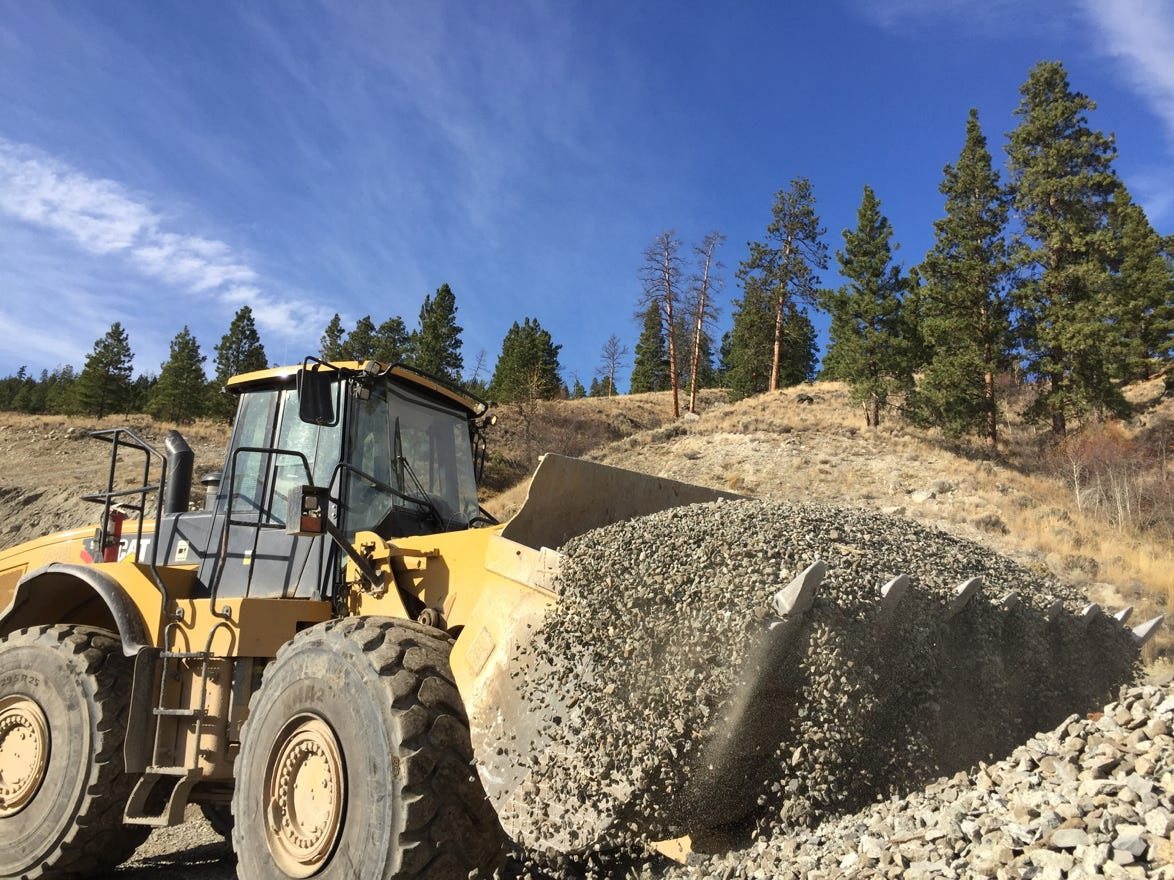
Storlie operates regional pits and its own trucks. We can discuss site preparation, available gravel or recycled aggregate, delivery, and driveway work together to build a project scope. Material is sold and quoted by the cubic yard.
Related Materials
Availability and the right application are confirmed with the Storlie team before ordering.
The compacting base under most Minnesota driveways, and a common surface on its own.
See materials →Coarse subbase that goes down first where the route crosses soft or wet ground.
See materials →Surfacing gravels for a harder-wearing top on busy or heavily used drives.
See materials →Recycled asphalt millings that bind in summer heat into a tighter, lower-dust drive.
See materials →Storlie Pit Desk
Enter the driveway length, width, and finished gravel depth for a cubic-yard estimate. We sell and quote by the yard.
How it works: Length (ft) × width (ft) × depth (in) ÷ 12 ÷ 27 = cubic yards. That is the same unit Storlie sells and quotes in.
Before You Call
Have a different question? Call Storlie and describe the job.
218-556-5898It depends on the soil and what drives on it. A common starting point for a residential drive is 4 to 6 inches of compacted Class 5 over a firm, prepared subgrade, with coarse Class 3 subbase added where the ground is soft or wet. Drives that carry delivery trucks, campers, or equipment need more. We size it to your site.
Class 5 is the Minnesota standard because it compacts hard and sheds water. Class 1 or Class 2 makes a harder-wearing surface on a busy drive, and crushed asphalt (recycled asphalt millings) binds into a tighter, lower-dust surface over a summer of heat and traffic.
Multiply length by width by depth in feet, then divide by 27 for cubic yards. A 100 foot by 12 foot driveway at 4 inches deep is about 15 cubic yards before compaction. Storlie sells and quotes by the cubic yard, so use the calculator on this page and call to confirm.
Cost depends on the length and width, how much clearing and excavation the route needs, the soil, the gravel you choose, and the trucking distance. Call with the length and a few photos and we will talk through a quote that covers both the material and the work.
Almost always because water is sitting on it. When a drive loses its crown or has low spots, water pools, softens the gravel, and traffic digs it out. Filling the holes does not last. Regrading to restore the crown and adding fresh gravel fixes the cause.
If the driveway connects to a county or township road, usually yes. Hubbard County, for example, requires an entrance permit before an approach is built and decides whether a culvert is needed. Beltrami County takes driveway approach applications through its online permitting site. Check with the road authority for your address before work starts.
Yes. Clearing, site preparation, and driveway construction can be scoped together, so the route is cleared, shaped, and graveled without lining up separate contractors.
Late spring through fall, once the frost is out and the ground has dried. Spring load restrictions on Minnesota roads can limit truck weights for a few weeks after the thaw, so book early. Repairs made before winter let the drive freeze in good shape.
Start With The Job
We will ask the right questions, confirm whether the project fits, and help you plan the next step.